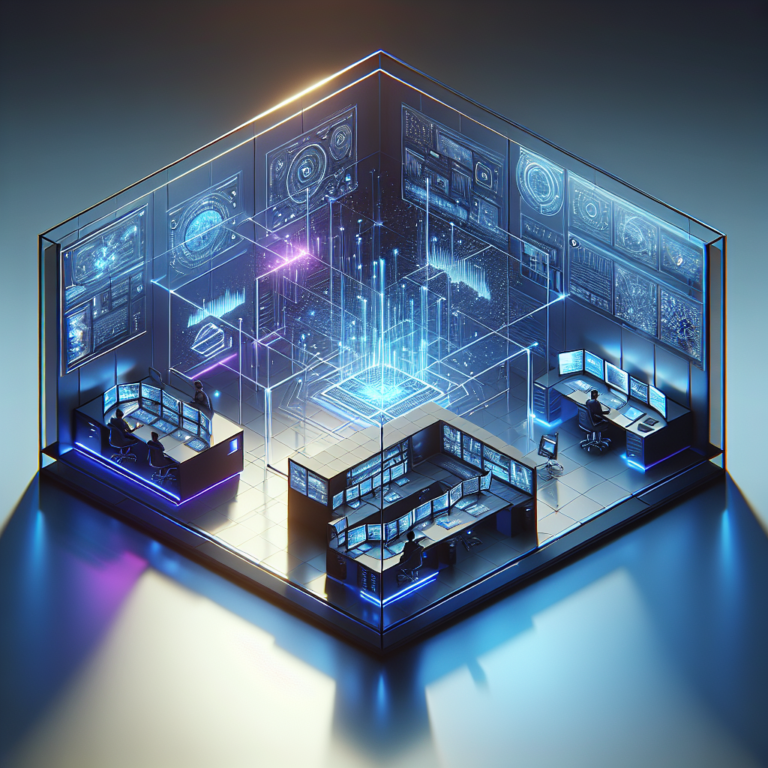


Meta’s ambitious plans for its large-scale Hyperion AI data center in South Dakota revolve around unusual energy sources, specifically ten new natural gas plants that will help power the center. This decision could have long-term implications not only for the company’s operational framework but also for the broader tech industry and the evolving landscape of business automation.
Set to draw as much electricity as an entire U.S. state, these power plants are part of Meta’s strategy to support its massive $27 billion infrastructure. With a total generating capacity of around 7.5 gigawatts, the Hyperion data center’s energy needs highlight the growing energy demands of data centers, which have risen astronomically in recent years. Furthermore, this signals a shift in how technology companies will balance energy sources moving forward.
Meta’s reliance on natural gas can be seen as an attempt to position itself strategically during a period where renewables still confront scalability and reliability issues. Despite its commitments to sustainability, critics argue the use of natural gas can compromise these values. Natural gas is frequently promoted as a bridging solution toward greater renewable adoption. However, the environmental impact of such fuels, particularly regarding carbon emissions and methane leaks, continues to cast a long shadow over this justification.
As other tech companies also adjust to the increasing energy demands of their data operations, Meta’s significant commitment to natural gas could yank the reins on sustainability narratives within the tech ecosystem. Many larger firms, including Meta, have drawn attention for their reduced carbon footprints through renewable energy purchases. Yet, the shift toward natural gas could complicate their narratives. The decision emphasizes the urgent need for a transparent accounting of energy mixes within the tech sector.
For business automations that hinge on AI and machine learning, the ability to access reliable energy sources enables sustained innovation and development. Such advancements depend heavily on uninterrupted power supplies and robust security measures. By embedding natural gas as a critical component of its energy framework, Meta may well be looking to ensure its operational efficiency and security of supply over purely sustainable options.
Furthermore, this development can potentially reshape industry standards and practices around data center energy use. As Meta’s power demand continues to grow, it sets a precedent for future tech investments, indicating a critical shift in the approach to energy sourcing in the industry. New regulations may soon emerge from government and environmental agencies focused on the approval and oversight of energy sources for future facilities. Anticipating these changes could lead to a larger dialogue about the relationship between energy sources, sustainability, and how tech firms will manage their environmental impact.
Future of Automation
The integration of AI and machine learning capabilities into business processes increasingly necessitates reliable and efficient energy infrastructures. As significant players in the sector, companies like Meta and their decisions regarding energy sourcing will inevitably influence automation technologies and practices across industries. The more energy-efficient and environmentally sound these technologies become, the more feasible widespread automation solutions will be throughout various sectors.
Moreover, the pressure for transparent energy use amidst criticism about carbon footprints will encourage businesses to invest in cleaner technologies and seek innovation in energy efficiency. The rising expectation for companies to embrace eco-friendliness will push for more innovative practices, including the adoption of sustainable automation technologies. This shift could lead to growth areas within tech, centered on developing automation solutions that minimize environmental impact while maximizing efficiency.
Ultimately, the decisions of meta and other tech giants will likely ripple through the industry, reshaping not just how energy sources are viewed but how business automation is operationalized. Executives and developers might face increasing demands to rethink energy strategies during the automation design process. This shift may introduce an interdisciplinary approach that integrates engineering, environmental sciences, and business technology into a more cohesive setup aimed at not only improving efficiency but also fostering sustainability.
Meta’s decision stands at the crossroads of operational necessity and ecological responsibility, presenting a unique case study for the tech industry’s future direction.