
The Final Days of the Tesla Model X and S Are Here. All Bets Are on the Cybercab.
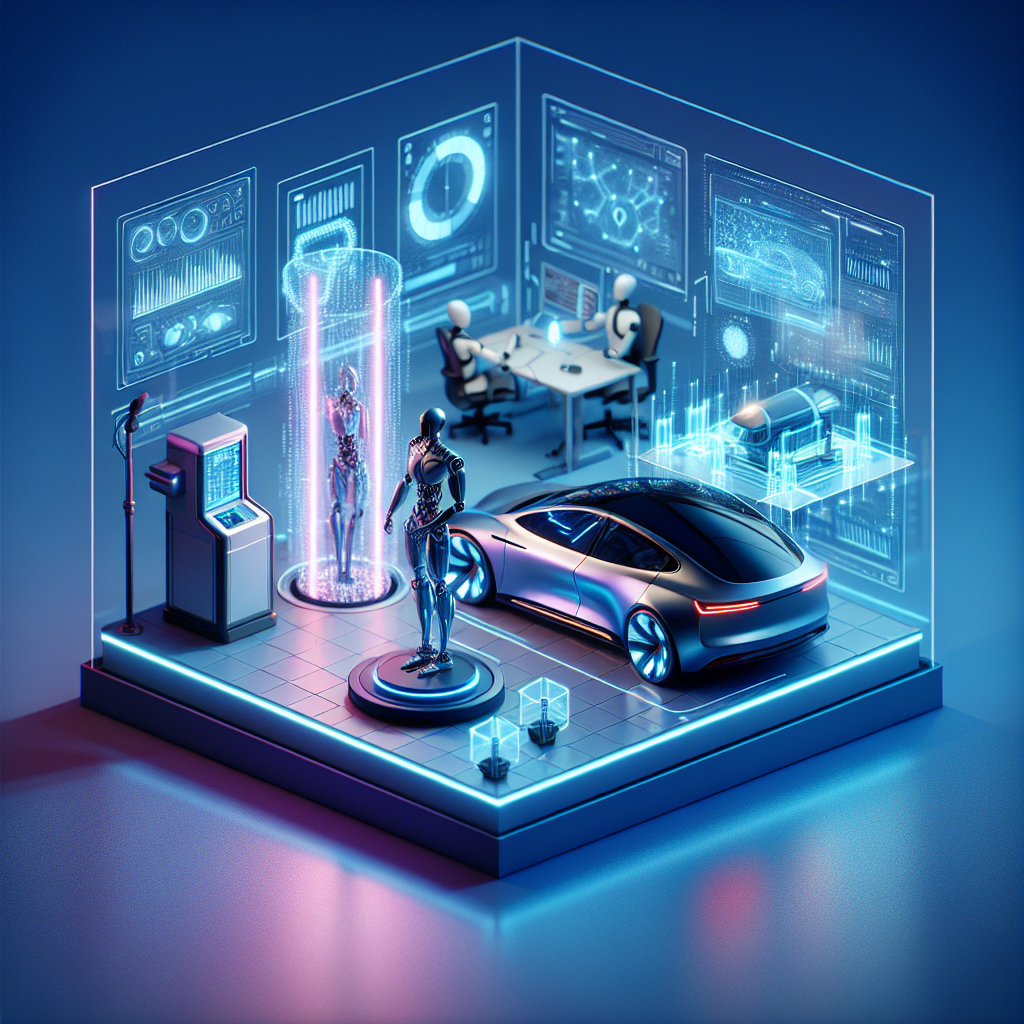
As Tesla transitions into a new era, the implications for business automation and the tech industry are significant. The imminent cessation of the Model S and Model X marks a historic shift not just for Tesla, but for robotics and automated driving technologies. CEO Elon Musk has confidently stated that custom orders for these models are concluded, with only inventory units remaining. This pivotal change signals not only the end of an era for two flagship models but also highlights a crucial strategy pivot as Tesla places its emphasis on newer innovations like the Cybercab and the Optimus robot.
Strategic Shift to Automation
The automaker’s decision to phase out the Model X and S is rooted in the rapid adoption of more affordable electric vehicles like the Model 3 and Model Y. The sales data illustrates a stark decline, with the combined sales of S and X models decreasing dramatically from a peak in 2017, indicating a strategic shift towards a more automated and efficient production model.
This plan aligns closely with business automation trends, showcasing how companies need to adapt to shifting market demands. Therefore, understanding automation’s future becomes critical for developers and business owners in the automotive sector. Key implications include:
- Investment in AI: Tesla’s plan centers around the development and mass production of the Cybercab and the Optimus robot, highlighting an intent to invest heavily in artificial intelligence and automation.
- Regulatory Hurdles: As Tesla gears up for the Cybercab’s production, navigating regulatory landscapes will demand substantial attention, particularly concerning vehicle safety standards.
- Shift in Focus: With Tesla branding itself more as an AI company than an automobile manufacturer, businesses must prepare for a market driven by advanced AI that operates autonomously without human intervention.
Future of Automation
The impending changes in Tesla’s production priorities open a conversation around the broader implications for the automation landscape in the transportation sector. The Cybercab’s design, aimed at operating without traditional controls like steering wheels or pedals, showcases a fundamental shift towards a fully autonomous future.
While the development of such technology promises efficiency and cost savings, it also carries risks. These risks necessitate robust safety measures to ensure public trust and regulatory compliance. Businesses must acknowledge these challenges while also leveraging automation technologies to streamline their operations.
Musk’s assertion about future transportation relying heavily on automation emphasizes that the majority of miles traveled could soon be autonomous. This future climate creates both opportunities and challenges for developers focused on creating the robust software and vehicles needed for a fully automated transport system. As they gear up for this shift, companies should consider:
- Collaborative Efforts: Partnering with regulatory bodies to ensure compliance and garnering public trust will be crucial.
- Investment in Software Development: The functionality of autonomous vehicles will largely depend on advanced AI software capable of safe navigation and operational efficiency.
- Market Adaptability: The swift transition from traditional vehicles to automated alternatives necessitates flexibility and adaptability in business models.
In summary, as Tesla phases out two of its cornerstone models and leans into its autonomous driving initiatives, the implications for the tech and automotive industries are profound. Developers and business owners should take note of these shifting strategies and the need to adapt to an environment where automation is not just an advantage but a necessity for future success.